How we design and build software has changed forever


We’re burning our design playbook. Not because it stopped working overnight, but because the ground underneath our industry is shifting so quickly that holding onto past ideals of how we should work feels riskier than throwing it all away.
Software is going through one of its more disorienting periods. The tools are moving faster than our workflows. Nobody has fully worked out what our new processes look like yet. How teams are structured, what the artefacts are, who does what.
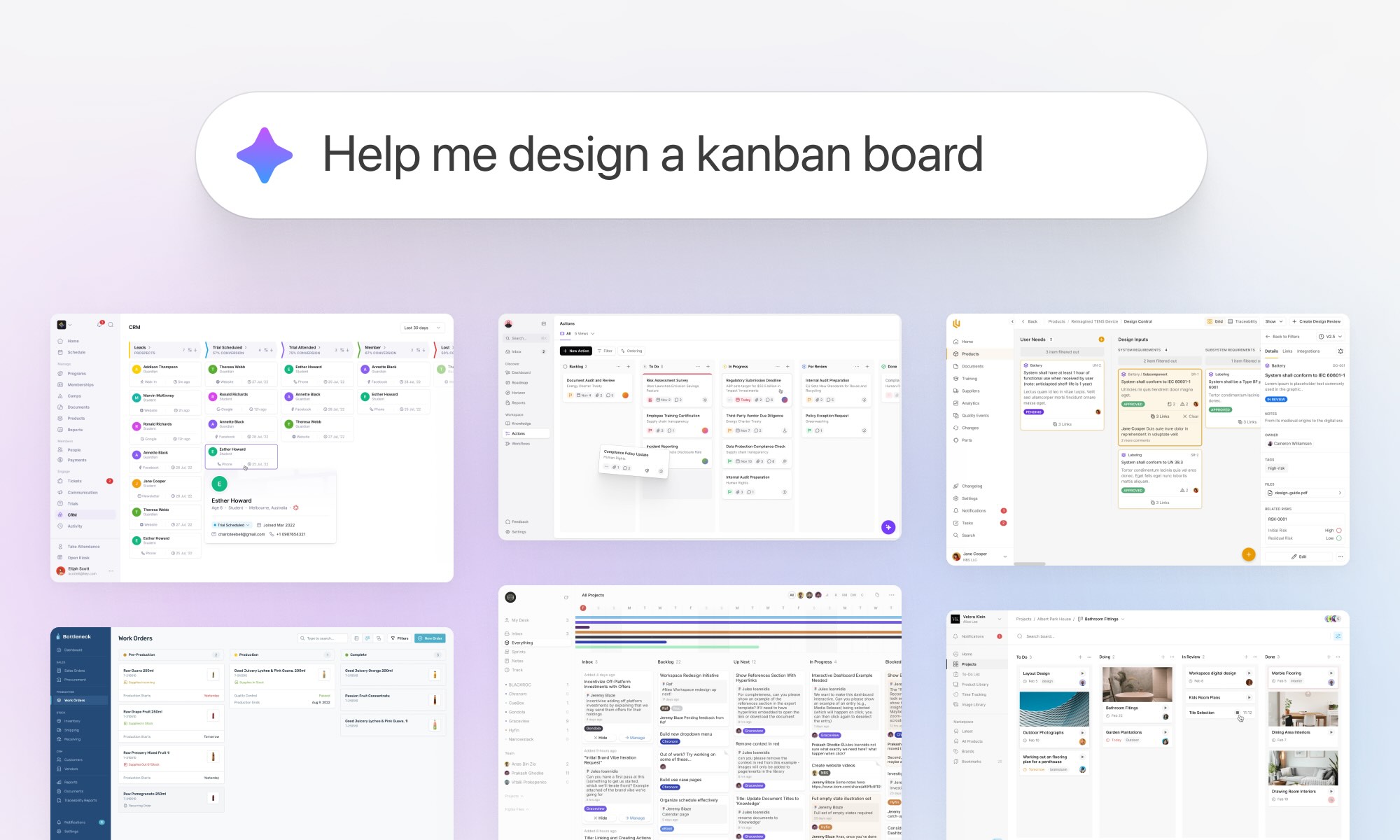
There are a lot of ideas circulating. Autonomous agents doing the work. Git as the new collaboration layer. Kanban boards for managing agents. All of these feel genuinely promising and will likely shape what comes next. But because the process itself is still moving, it’s hard to know yet exactly where each of them lands. What’s clear from the sheer range of ideas flying around is that nobody knows what the single future looks like, or whether there even is one.
At NBS we’re trying to keep our minds open to all of these potential futures without locking ourselves into any one of them.
What we keep coming back to is a simpler question: what stays constant through this? There are a few things we feel fairly confident about, though we hold them loosely.
Humans stay at the centre of products that matter
Not all software is the same. A lot of what gets built, especially in the SaaS world, exists to make an existing process more efficient. That work has real value, and the cause behind it is genuinely noble. But most of it is a remix of something that already exists. A better invoicing tool. A better CRM. A better project tracker. Very few SaaS products have anything net new inside of them, and that’s precisely the kind of work that AI is already eating. It’s getting easier to produce and will keep getting easier.
There’s another kind of software entirely. The kind that forges new pathways. Consumer products reaching for something that hasn’t existed before. New business models. Advances in AI and machine learning. Tools that push human knowledge forward. This work has always required real judgment about what people actually need, and the models can’t help us as much here because none of it is in the training data yet. It’s genuinely new creative work, and that’s uniquely suited to humans. We think that stays true.
Taste, judgment, and the messy stuff
This is where it gets harder to articulate, but it’s the part we think matters most. The things that make a great product great are mostly innately human: taste, judgment, empathy, quality. The ability to sit with a founder who has a vague and urgent sense that something needs to exist, and help them find the shape of it. The ability to feel when something is off before you can articulate why. The ability to communicate with clarity about things that are inherently ambiguous.
These are the soft, difficult, abstract skills that have always been at the core of good design work. And here’s what’s interesting: as everything else gets automated, these skills don’t diminish in importance. They become the product. When anyone can produce a polished interface in an afternoon, the thing that differentiates the work is no longer the polish. It’s the thinking behind it. The judgment calls. The taste. The depth of understanding of the people you’re building for.
None of that is going anywhere. If anything, we’re entering a period where those skills are more valuable than they’ve ever been, precisely because everything around them is getting cheaper and faster.
Everyone is more leveraged
How people work is changing in a more practical sense too. At NBS the expectation now is that everyone on the team is leveraged by AI. Designers, strategists, project leads, all of us. Nobody should be in the weeds of execution the way they used to be. Everyone needs to be comfortable operating at a layer of abstraction above the detail.
In practice that means everyone is managing agents. Directing work, evaluating output, taking responsibility for the result. That’s a different skill than grinding through execution yourself. It requires a clear point of view, genuine taste, and the confidence to know when something is right and when it isn’t. The people who develop that skill will have a real advantage over those who don’t. The people who remain tethered to the detail, who feel uncomfortable unless they’re doing the work themselves, will find that work worth progressively less.
This is uncomfortable to sit with, including for us. Giving up control at the execution level takes practice. But the teams that get there fastest will be the ones that come out of this period well.
Two halves of the work
Agency work has always had two components. There is the thinking: the problem framing, the strategy, the iteration toward clarity. And there is the execution: the screens, the files, the deliverables. The first half is what clients are actually paying for, even when they can’t always articulate it. The second half is how that thinking gets communicated.
The execution layer is getting commoditised. Screens are cheaper to produce. Agencies that built their model around high volume polished output are in a difficult position. Any agency that was essentially running as a UI factory, churning out screens for SaaS products, is facing a very short runway. That is probably just where things are heading, and it’s not a moral judgement. It’s structural.
The direction we are moving in is to put more weight on the first half and treat the execution layer as something to automate as much as possible. Double down on the thinking. Get ruthless about the output.
Working closer to the real thing
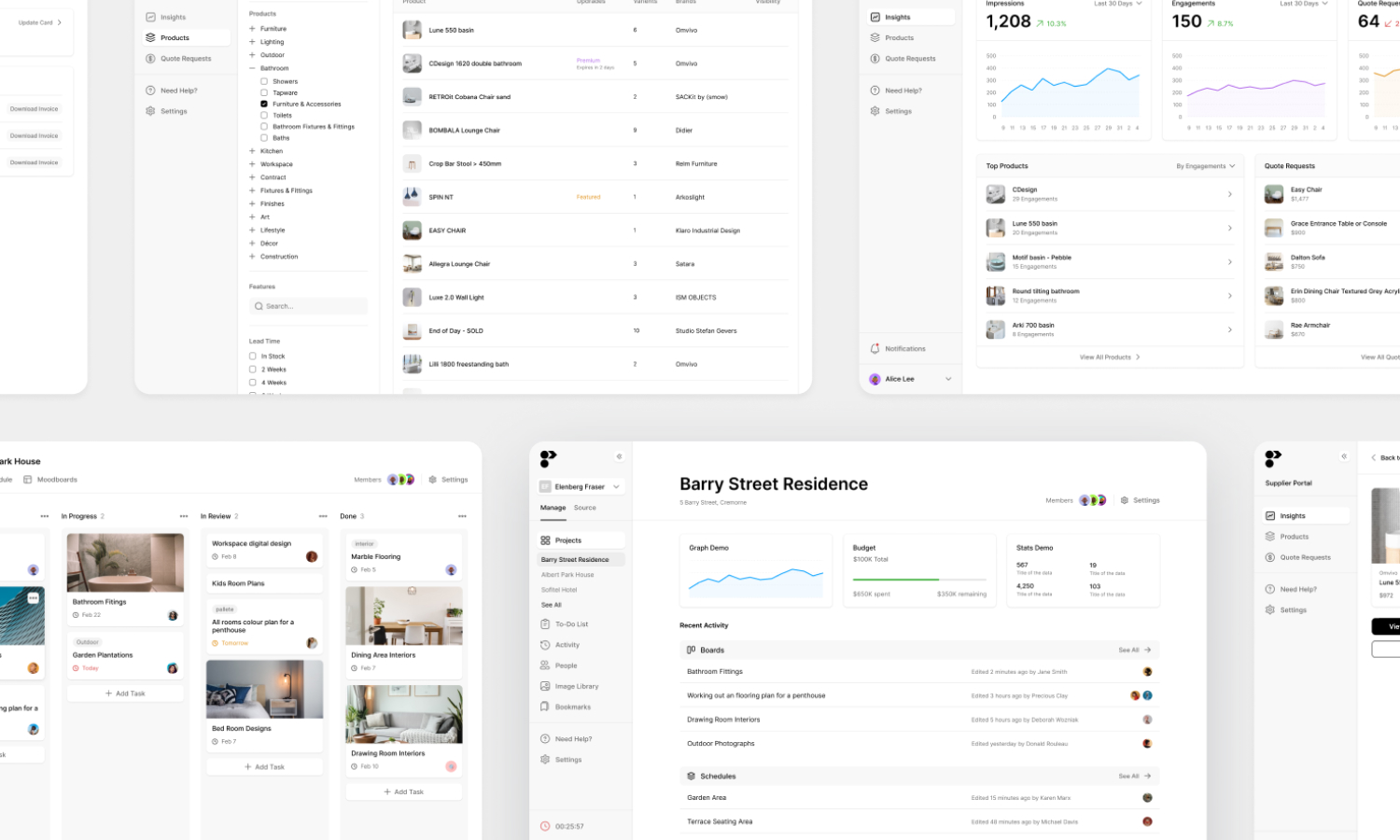
Part of that shift is changing the medium we work in. Running design in Figma alongside a codebase means maintaining two parallel sources of truth. They drift apart. Engineers make changes that don’t get reflected in the designs. Designs get iterated in ways that engineers never see. The handoff is always a moment of loss.
There is another problem with this split that gets less attention: it fragments the context window. When design lives in Figma and code lives elsewhere, AI has no unified view of the work. The more of the work that lives in a single coherent place, the more useful AI becomes across all of it.
Figma is not going away. For rapid ideation, rough concepts, quick sketches, it is still genuinely fast. But how design thinking gets into a codebase, and into the context window, in a way AI can actually work with, is a question the industry has not fully answered yet. That is where a lot of the interesting process work is happening right now.
We are working on our own answer to that. More on it soon.
-1744950506.jpg)



.jpg)